
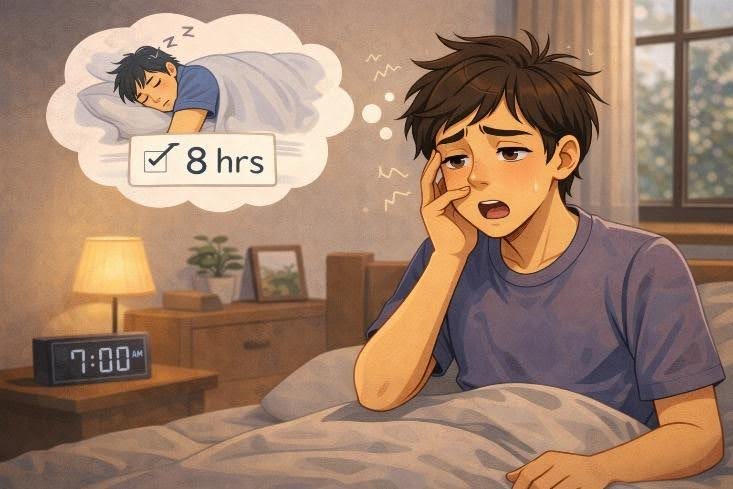
Constant exhaustion
You wake up feeling tired even after getting adequate sleep. Energy levels remain low throughout the day, and fatigue feels deeper than usual. Even simple tasks require significant effort, making it difficult to maintain consistency.

Emotional detachment
You begin to feel disconnected from your work, responsibilities, or relationships. Activities that once felt meaningful now feel mechanical or unimportant. Engagement drops, and you may feel indifferent or emotionally distant.
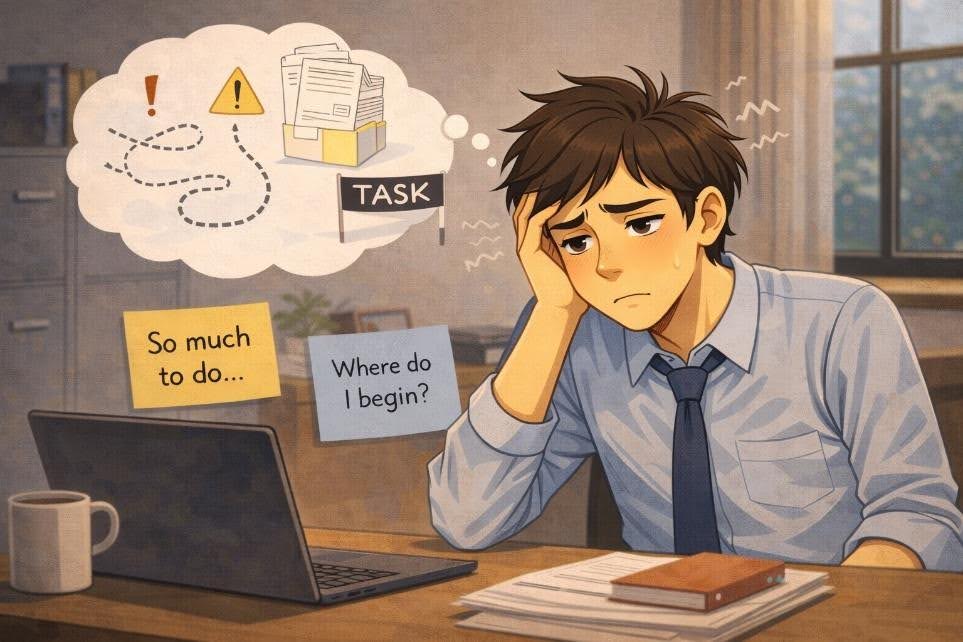
Reduced motivation
Starting tasks becomes increasingly difficult. Procrastination increases, and there is a noticeable drop in enthusiasm toward goals. You may begin to question the purpose or value of your efforts.
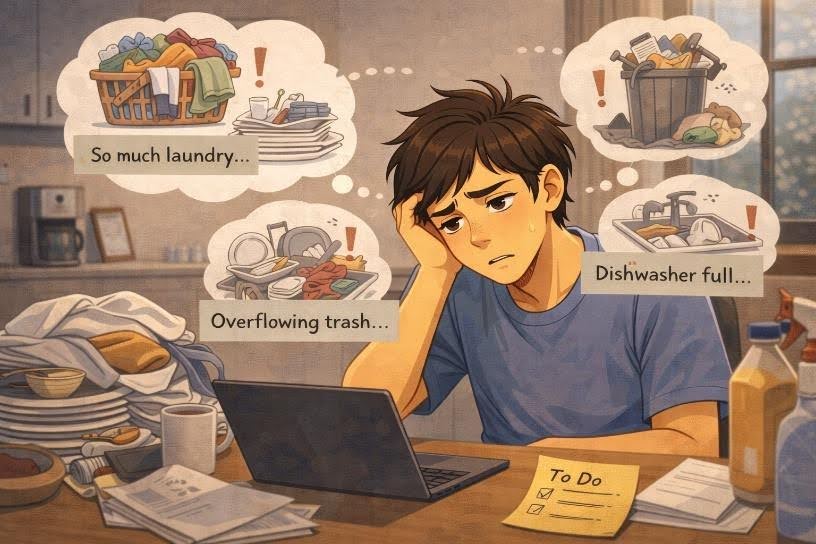
Feeling overwhelmed by routine tasks
Simple responsibilities feel heavy and harder to manage. Decision-making becomes slower, and stress tolerance reduces significantly. Even small challenges feel disproportionately difficult.