
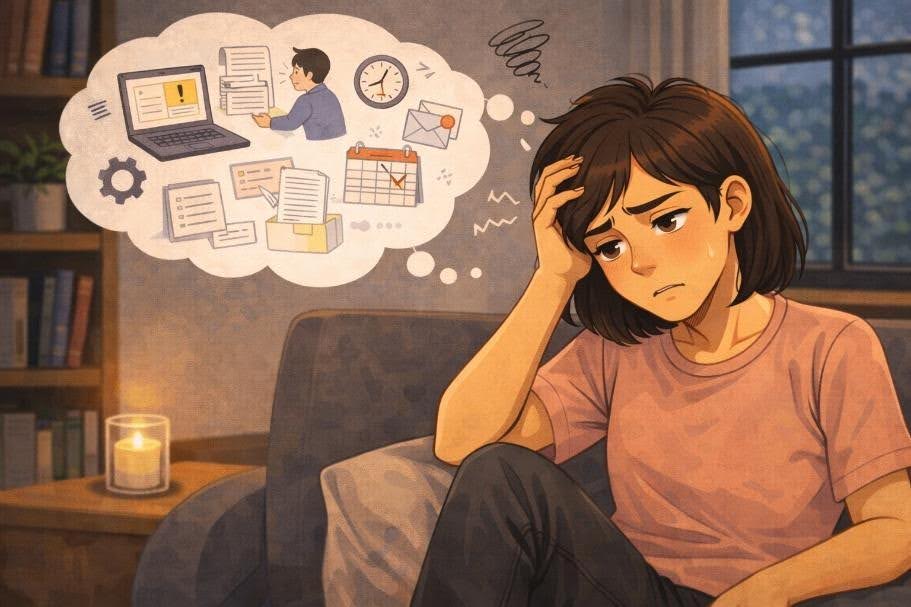
Inability to disconnect after work
Even after finishing work, your mind continues to stay engaged with tasks, deadlines, or conversations. You may replay meetings or think about unfinished work. This makes it difficult to relax fully and affects your ability to recharge.
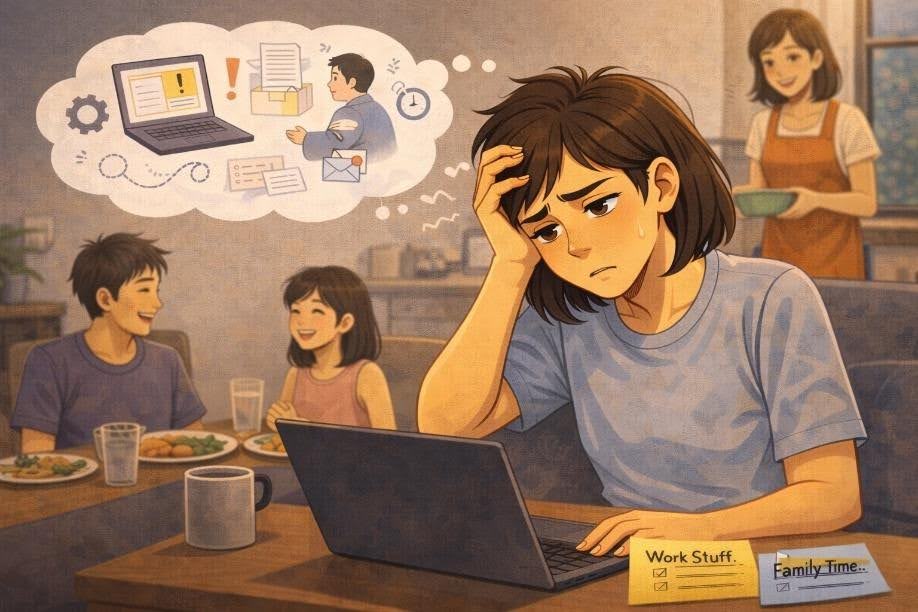
Reduced quality time with family or self
Personal relationships begin to suffer due to lack of presence. Conversations feel distracted, and meaningful engagement reduces. Activities like hobbies, self-care, or relaxation are often postponed or skipped.
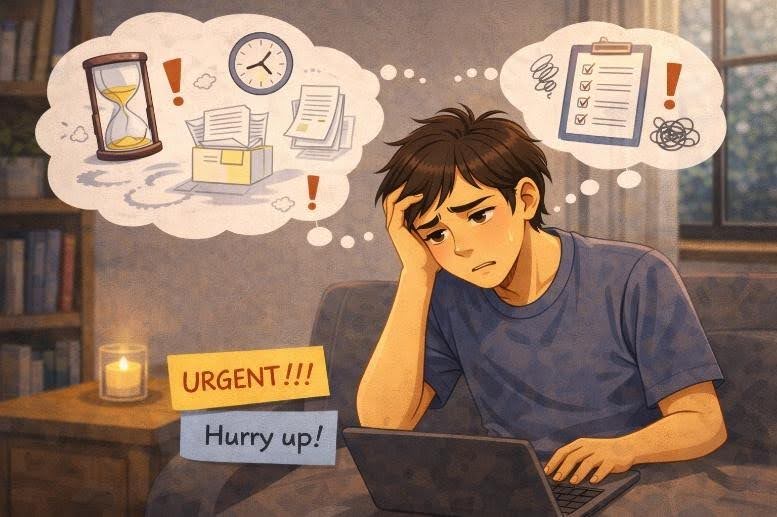
Persistent mental tension
There is a constant sense of urgency or pressure, even during downtime. You may feel slightly stressed throughout the day, and your mind rarely feels completely at ease. This ongoing tension impacts both focus and emotional stability.
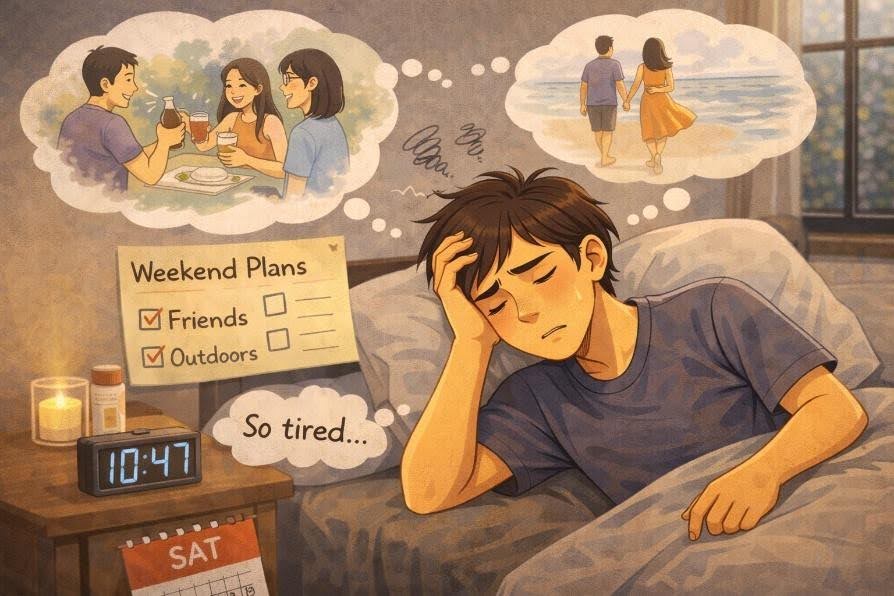
Weekend exhaustion instead of recovery
Weekends are spent recovering from accumulated fatigue rather than enjoying time off. You may feel drained, unmotivated, or low on energy. Mondays begin with reduced enthusiasm, continuing the cycle of imbalance.